
When your skid steer, excavator, tractor, or telehandler goes down, it’s not a minor inconvenience; it’s lost production time and lost money. Black Hills Equipment Rentals provides professional repair services in Spearfish, South Dakota, for the heavy equipment machinery that contractors, ranchers, municipalities, and commercial operators throughout the Northern Black Hills depend on every day. From general services to diagnostics and repair, our technicians have the training, tools, and OEM parts access to get your equipment back to full power — correctly the first time.
We are an authorized husqvarna dealer and service center
We use genuine OEM parts for the best fit and performance
Skilled, trained technicians with years of hands-on experience
We work quickly to get you back up and running
Proudly serving Spearfish and the Surrounding areas
Diesel and heavy equipment engines fail differently than small engines, and the stakes are higher. Here are the issues we diagnose and repair most often in our shop.
One of the most common issues we diagnose.
Possible causes include:
Cold Black Hills winters are especially hard on diesel starting systems. Gelled fuel, weak glow plugs, and battery strain are among the most common cold-weather calls we receive.
Common causes:
Heavy equipment is built to work hard, so power loss is usually noticed immediately by the operator.
We commonly find:
Smoke color is one of the most reliable diagnostic clues on a diesel engine:
Typical causes:
Common causes:
Unusual engine noise on heavy equipment should always be inspected right away; continuing to run a machine with internal noise often turns a moderate repair into a full engine rebuild.
Often caused by:
Low oil pressure warnings should never be ignored on a diesel engine. Continued operation with inadequate lubrication can cause catastrophic engine failure.
Common causes:
We provide:
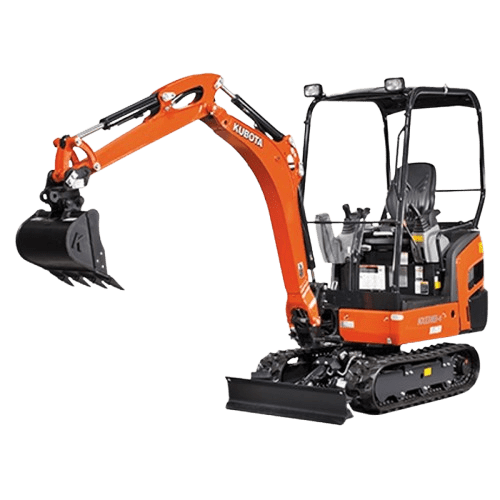
We evaluate the machine, review symptoms, and check service history
Computerized and mechanical diagnostics identify the root cause, not just the symptom
You receive a clear, itemized estimate before any work begins
We move forward only after you approve the scope and cost
Certified technicians complete the repair using OEM or OEM-equivalent parts
We test the engine under load to confirm performance before your equipment goes back to work
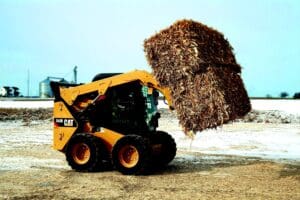
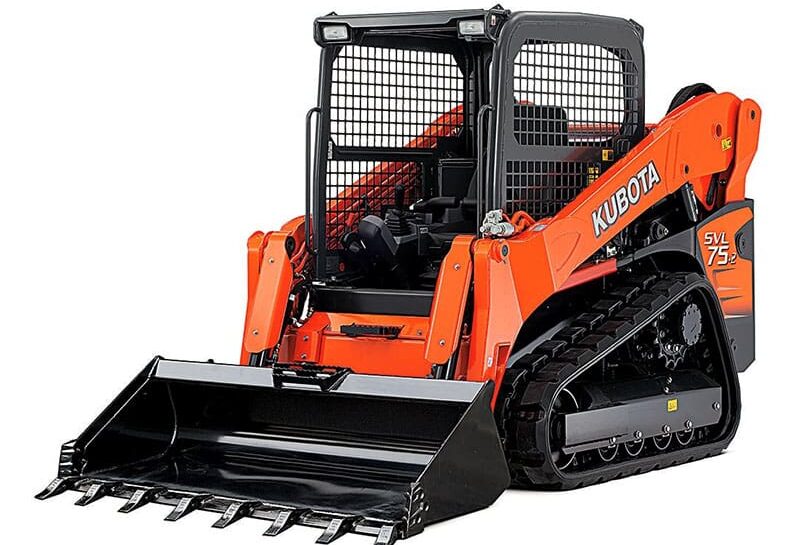
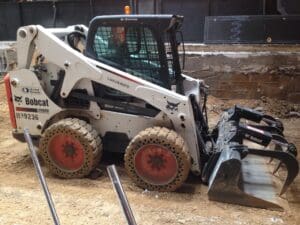 Skid Steers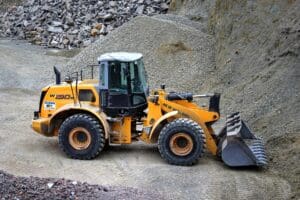
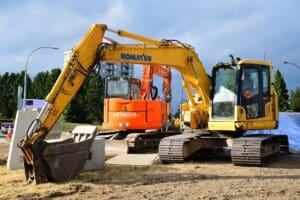 Backhoes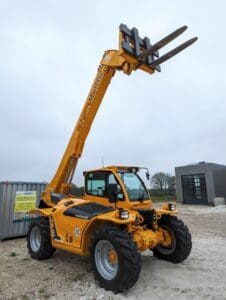
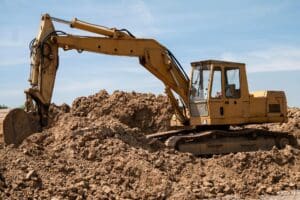
 Wheel Loaders
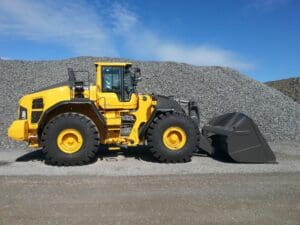
 Compact & Utility Tractors
 Diesel Generators & Other Diesel & Heavy Gas Equipment
Heavy equipment engines represent a significant investment, and preventive maintenance is the most cost-effective way to protect it. In the Black Hills, seasonal temperature swings put extra strain on diesel fuel systems, cooling systems, and batteries.
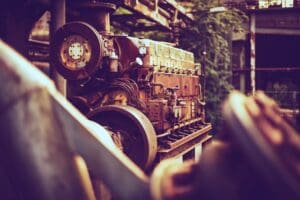
Hard starting on a diesel engine often points to fuel delivery issues, glow plug failure, or a weakening battery system. If your equipment needs multiple attempts to start, especially in cold weather, it’s worth having the fuel and electrical systems inspected before a full failure leaves you stranded on the job site.
When an engine starts fine but dies once it’s put to work, the cause is usually fuel starvation, a clogged filter, or the ECU triggering a protective shutdown. This should be diagnosed quickly since continuing to operate a derating engine can compound the underlying problem.
Smoke is one of the clearest windows into engine health. White smoke often means unburned fuel or moisture; blue smoke means burning oil; black smoke means incomplete combustion. Each points toward a different repair, and each gets more expensive the longer it’s ignored.
If your equipment used to power through tough digging, lifting, or towing and now bogs down, the cause is often restricted airflow, injector wear, turbo trouble, or exhaust system restriction — all things a proper diagnostic can pinpoint.
An engine running hot is one of the fastest ways to cause expensive internal damage. Coolant leaks, a failing water pump, or a clogged radiator should be addressed the moment you see temperature gauges climb.
Knocking, whining, or new vibration is the engine telling you something is mechanically wrong. Continued operation risks turning an affordable repair into a major overhaul.
Any oil pressure warning light should be treated as urgent. Combined with visible leaks, this often signals seal, gasket, or pump failure that needs immediate attention.
Modern diesel equipment will alert you to problems through the ECU before they become visible or audible. Getting codes scanned and diagnosed early is one of the best ways to avoid a larger repair bill.
Big diesel engines are built to run hard for thousands of hours, but only with consistent maintenance. Routine oil and filter changes, fuel filter and water separator service, cooling system checks, and air filter replacement all protect the internal components that are the most expensive to repair. Seasonal service including fuel additives for cold weather and cooling system checks before summer heat; helps prevent the two biggest causes of diesel engine failure in this region: cold-weather fuel gelling and heat-related overheating. Staying ahead of maintenance keeps your equipment reliable when you need it most and protects the long-term value of your investment.
Our technicians have hands-on experience with the diesel and heavy gas engines that power the construction and agricultural equipment used throughout the Black Hills. We use genuine OEM and manufacturer-approved parts to ensure proper fit, performance, and long-term reliability. As the area’s only full-service shop offering both heavy equipment rentals and repair, we understand what it costs your business when a machine is down and we work to get you back up and running as efficiently as possible, with honest diagnostics and no unnecessary upsells.
Big engine repair covers diesel and heavy-duty gas engines used in construction and agricultural equipment: skid steers, excavators, telehandlers, tractors, and similar machinery. These engines require different diagnostic tools, specialized parts, and mechanical expertise compared to small engines used in mowers or trimmers.
Yes. We diagnose and repair diesel engines in skid steers, excavators, tractors, telehandlers, wheel loaders, and other heavy equipment.
Yes. We use computerized diagnostic scanning to read and interpret fault codes from your equipment’s ECU, then confirm the root cause with mechanical inspection before recommending repairs.
This is commonly caused by restricted airflow, worn fuel injectors, turbocharger issues, or exhaust restriction from a clogged DPF. A full diagnostic will identify the specific cause for your machine.
Cold-weather starting issues are usually related to glow plug failure, weak batteries, or fuel gelling. Diesel fuel systems are especially sensitive to cold temperatures common in the Black Hills winter.
Blue smoke typically means the engine is burning oil. White smoke often points to unburned fuel or moisture in the fuel system. Black smoke usually indicates incomplete combustion from restricted airflow or fueling issues. Each requires a different repair approach.
Yes. We prioritize genuine OEM and manufacturer-approved parts to ensure proper fit, performance, and durability for heavy equipment engines.
Always. Every repair starts with a diagnostic inspection followed by a clear, itemized estimate. We only begin repair work after you’ve approved the scope and cost.
Yes. We service equipment for contractors, ranchers, municipalities, and individual owners throughout Spearfish and the Northern Black Hills.
Service intervals vary by manufacturer and hours of use, but most diesel engines need oil, filter, and fluid service at set hour intervals; commonly every 250 to 500 hours. We can advise on the correct interval for your specific machine.
In the Black Hills, the two most common causes we see are cold-weather fuel and starting system issues in winter, and cooling system or overheating issues during heavy summer use.
Yes. We provide big engine repair services regardless of where the equipment was purchased or rented.
Yes. Continuing to operate an engine with low oil pressure can cause rapid, severe internal damage. Any low oil pressure warning should be treated as urgent and the equipment shut down until inspected.
Yes, convenient pickup and delivery options are available; helpful given the size and transport challenges of heavy equipment. Call our shop to arrange details for your machine.